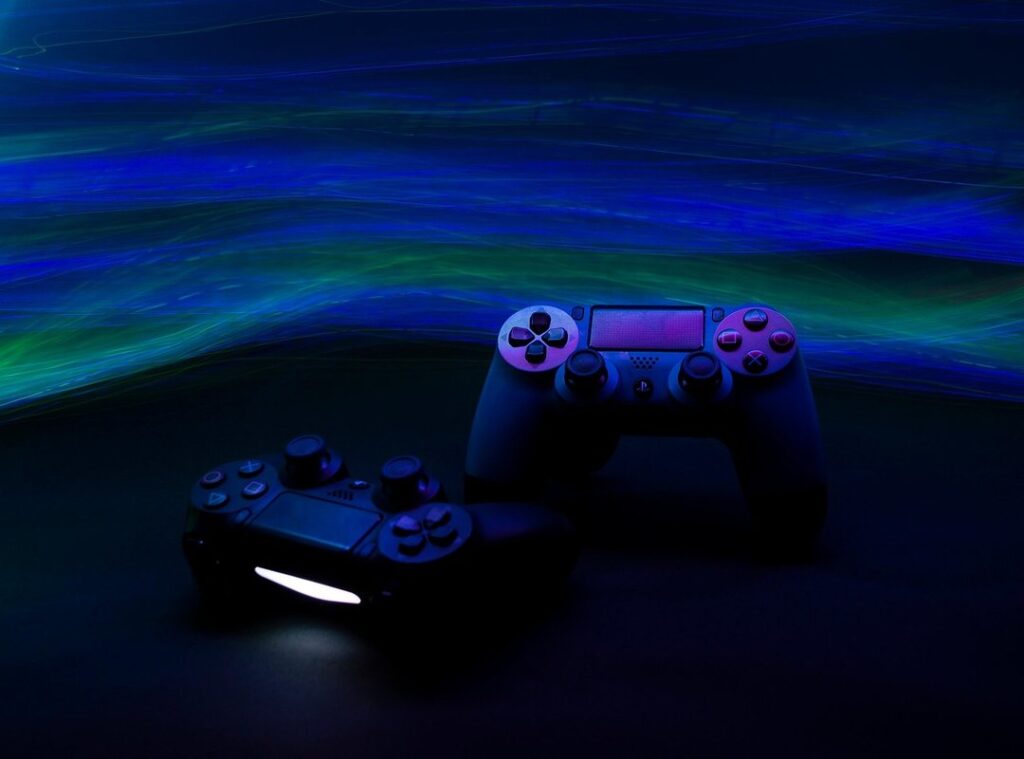

You’ve seen it. You boot up a new game and are immediately blown away by the graphics. That feeling of awe hits you, but it also raises questions.
What’s the difference between what you see now and what you played a few years ago?
Terms like ‘ray tracing’ and ‘DLSS’ float around, but what do they really mean for your gameplay? I’ve spent years diving into gaming graphics innovation, tracking how these advancements shift the space of gaming.
I know firsthand how they affect competitive play and the overall immersion. From frantic arena battles to meticulous strategic loadouts, these visuals matter.
This article will break down the latest advancements in gaming visuals. I want to demystify their workings and significance for you as a player.
Get ready for an insightful journey through the cutting edge of graphics that will boost your gaming experience.
From Pixels to Photorealism: The Leap Forward
Remember the blocky characters in early video games? They were charming, but let’s be real. They looked nothing like reality.
Fast forward to today, and the leap in gaming graphics innovation is astounding. Higher polygon counts, sharper textures, and sophisticated shaders have transformed those chunky pixels into lifelike visuals. It’s like comparing a flipbook to a high-def movie.
The magic really happens with real-time rendering. We used to be stuck with pre-rendered cutscenes (cool but limiting). Now, games offer real-time interaction, letting you feel more in control.
This shift has made players feel like they’re actually in the game, not just watching from the sidelines.
A huge shoutout to solid GPUs for this transformation. These tech beasts power it all, making impossible visuals possible. They’re the unsung heroes of modern gaming.
Games like Warzone thrive because of this progress. They create worlds you believe in. Curious what’s next in gaming?
Check out gaming trends hot 2023 for the latest buzz.
The Ray Tracing Revolution: True Light and Shadows
Ray tracing is the real deal when it comes to gaming graphics innovation. It’s a rendering technique that mimics how light behaves in the real world. Sounds simple, right?
But it’s a game-changer. Before ray tracing, games relied on rasterization, which, let’s face it, felt flat and fake. Ray tracing replaces that with stunningly accurate lighting, reflections, and shadows.
Imagine light bouncing off surfaces or reflections in puddles. It’s like stepping into a new world.
Ever noticed how shadows in games sometimes look off? Ray tracing fixes that. Shadows now shift and change with the light source, adding depth you can almost feel.
But here’s the catch: it demands serious hardware. Modern GPUs need dedicated RT cores to handle this. And yes, there’s a performance overhead, but the payoff is huge.
For players, this means environments that feel less “gamey.” It’s like the difference between watching a movie and living in it. Tactical decisions suddenly carry more weight when the world reacts so authentically. If you’re curious about how all this fits into the bigger picture, check out the evolution of graphics engines in gaming.
It’s worth a look.
AI Upscaling: A Game-Changer for Graphics
Ever tried cranking up the graphics settings on your PC, only to watch your frame rates nosedive? Yeah, me too. AI-powered upscaling steps in.
It’s a lifesaver for anyone wanting stunning visuals without a performance hit. High-fidelity graphics, especially with ray tracing, used to demand so much power. But now, thanks to AI upscaling technologies like NVIDIA DLSS, AMD FSR, and Intel XeSS, we can have our cake and eat it too.
These technologies work by rendering the game at a lower resolution first. Then, they use AI algorithms to upscale it to a higher resolution. The result?
Minimal quality loss and a huge boost in performance. DLSS relies on dedicated Tensor Cores and motion vectors, making it super effective. Meanwhile, FSR’s spatial upscaling offers broader hardware compatibility.
It’s a different approach, but it gets the job done.
For gamers, this means higher frame rates and more visual features without the usual performance drops. It’s gaming graphics innovation at its finest. High-resolution gaming becomes accessible, and we don’t need to compromise on quality.
Upscaling is like magic. Except it’s real and happening right now. Isn’t it about time we embraced it fully?
Beyond the Display: Immersive Gaming Redefined
Let’s rethink what “gaming visuals” mean. It’s not just about the graphics anymore (though they’re key). High-resolution, high-refresh-rate VR headsets are a real game-changer.
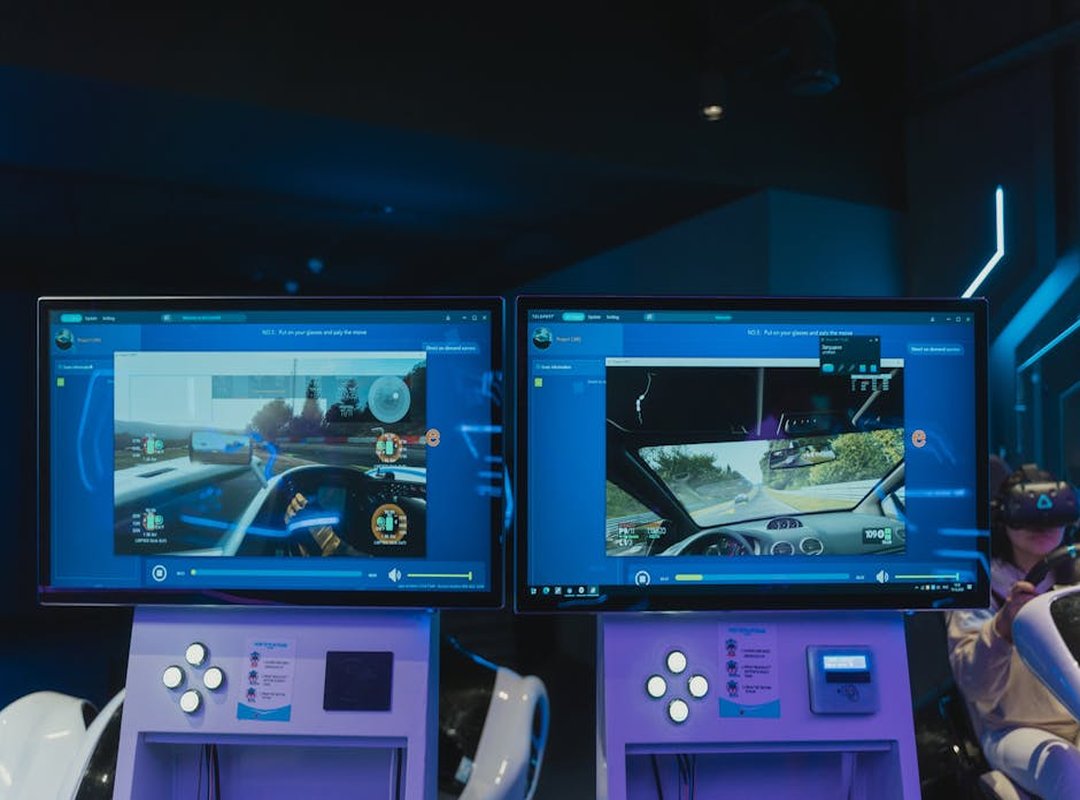
They pull you into a world that practically surrounds you. No joke, it makes a huge difference in how you experience the game. Plus, visual fidelity directly impacts the sense of being there.
A clear, smooth image can even help reduce the old VR nuisance: motion sickness.
Now, AR might be the new kid on the block, but its potential is massive. Imagine blending digital visuals right into your living room. That’s where gaming graphics innovation comes into play.
It’s opening doors to interactive possibilities we couldn’t even dream of before.
And let’s not forget haptic feedback. It’s more than just a gimmick. Feeling the rain or the impact of an explosion can deepen your engagement.
It’s like when you read about why indie games matter. It just adds layers to the experience. So, how ready are you to step into this new area of gaming?
Crafting Worlds: Photogrammetry Magic
Ever notice how some games look more real than your actual life? That’s photogrammetry at work. It’s the art of scanning real-world objects and environments to build those lifelike in-game assets.
The technique’s been a game-changer; characters no longer slip into the “uncanny valley” (where they look kinda human but not quite, and it’s creepy). Environments seem like they’ve been plucked straight from reality.
Then there’s volumetric rendering. Imagine clouds, fog, or smoke reacting to light and player movement. It’s not just eye candy; it’s integral to gaming graphics innovation.
This realism doesn’t just make things look pretty. It changes how you play.
Sophisticated world-building isn’t just about aesthetics. It’s about creating believable, changing spaces where atmosphere influences your plan. Think tactical games where every shadow and fog bank could hide a threat or offer cover.
These advancements keep you on your toes. They’re not just for show; they make the world come alive in ways that weren’t possible before. And isn’t that what immersive gaming’s all about?
The Horizon Ahead: Gaming Graphics Revolution
Gaming graphics innovation is about to hit another level. We’re talking machine learning beyond just upscaling. Imagine AI-generated textures and procedural content that redefine immersive worlds.
Path tracing is the next big thing (it’s) like ray tracing on steroids, aiming for that movie-like realism we all crave. Neural rendering and real-time avatars will blur the lines between digital and reality. And let’s not forget cloud gaming.
It promises ultra-high fidelity visuals without needing a monster PC. This means more players can experience modern graphics. Are we ready for this visual feast?
I think we are.
Raise Your Gaming Experience Today
Your journey through advancements in gaming visuals has cleared up the confusion surrounding complex graphics terms. Technologies like ray tracing, AI upscaling, and photogrammetry push gaming graphics innovation to new heights. These tools create immersive and realistic gaming experiences that you can’t ignore.
So why not dive deeper? Seek out games that use these technologies. Your next session will be richer.
Upgrade your hardware if needed. Don’t settle for less. It’s time to raise your game.