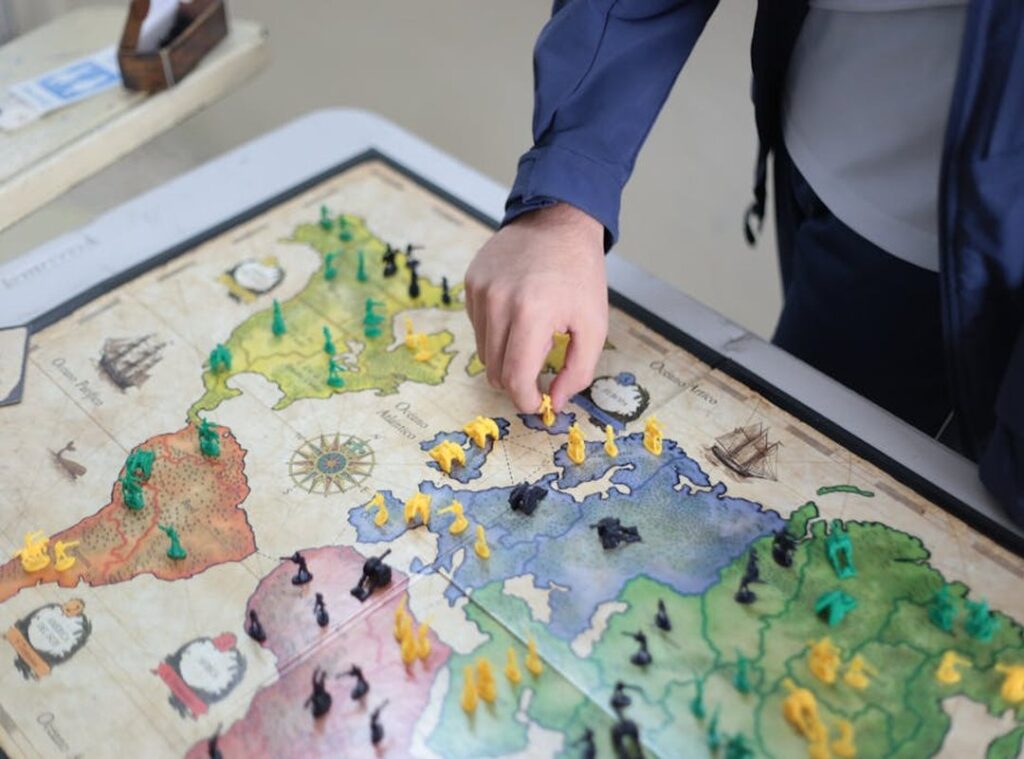

You know that feeling when you play your heart out, but your team still loses? It’s frustrating. Individual skill doesn’t always translate to victory in multiplayer games.
Chaos reigns, and it feels like you’re constantly outplayed.
I’ve analyzed countless matches and witnessed the same patterns over and over. A lack of cohesive plan can sink a team, no matter how talented the players are. You need more than just a bunch of skilled individuals; you need a solid plan.
This article tackles the gap in effective teamwork by offering a structured system for multiplayer playbook teams.
You might be wondering why you should trust this. I’ve spent years studying competitive team dynamics in high-stakes scenarios. I’ve seen what works and what doesn’t.
This guide breaks down the core principles that separate good teams from great ones. I’ll provide practical takeaways that will help you raise your team’s performance. No more relying on individual mechanics alone.
Get ready to dive into strategies that will transform your gameplay. Together, we’ll turn chaos into coordination and ambition into success. Let’s master multiplayer plan and claim those victories.
Building the Dream Team: Roles, Communication, and Trust
Ever notice how a multiplayer playbook team’s magic comes from its combo, not just individual star power? It’s like comparing a rock band to a bunch of solo acts. Sure, each player might be talented, but without a clear structure, it’s just noise.
So, what’s the secret sauce?
Roles. You’ve got your In-Game Leader (IGL) who calls the shots, the Entry Fragger charging in headfirst, and the Support, who keeps everyone in the game (literally). Then there’s the Lurker, sneaky and strategic, and the Objective Specialist, focused on goals.
It’s not just about assigning roles; it’s about embracing them and adapting when the game demands it.
Communication is the backbone. Important callouts should be sharp and timely. No one wants to hear about your dog’s antics mid-match.
Pings and markers? Use them like a pro. They’re there to highlight, not to clutter the screen with confusion.
A culture of positive communication can make or break a team. Constructive criticism is gold, but keep it cool. Nobody thrives under a verbal firestorm.
Trust is earned through these interactions, and it makes the team stronger.
Pre-game huddles set the vibe, while post-match debriefs are for learning and plan tweaks. These meetings aren’t just formalities; they’re where you align and grow. It’s what makes the team greater than the sum of its parts.
Trust me, in the world of multiplayer gaming, that’s everything.
Mastering the Game: Crafting Your Strategic Playbook
Ever felt stuck reacting to your opponent’s moves in a multiplayer game? It’s time to flip the script. Developing a solid strategic playbook means crafting default strategies for map objectives, attack routes, and defensive setups.
This isn’t just about reacting; it’s about anticipating. And let’s be honest, who doesn’t want a leg up on the competition?
Analyzing opponent tendencies is key. Use scouting and intel from previous encounters to inform your pre-game planning. How do they move?
When your initial plan hits a wall, you need flexibility. Quick decision-making is key. Adapt or perish.
What have they done before? The more you know, the better prepared you’ll be. But here’s the kicker: not everything goes to plan. contingency planning comes in.
The role of the “shot-caller” or in-game leader is big here. They must adapt strategies mid-round, making decisive calls based on real-time info and communicating changes effectively. Think of them as the glue holding your team together under pressure.
Simple tactics often work best. Synchronized pushes, coordinated utility usage (grenades, abilities), and control tactics can turn the tide of battle. I see this time and again in multiplayer playbook teams.
For more on this, check out rethinking multiplayer coordination. This approach takes you beyond just playing the game (you’re) mastering it.
Tactical Mastery: Movement and Map Domination
When it comes to coordinated team movement, precision is king. Picture yourself planning a chess move where every piece counts. That’s what navigating flanking routes is like.
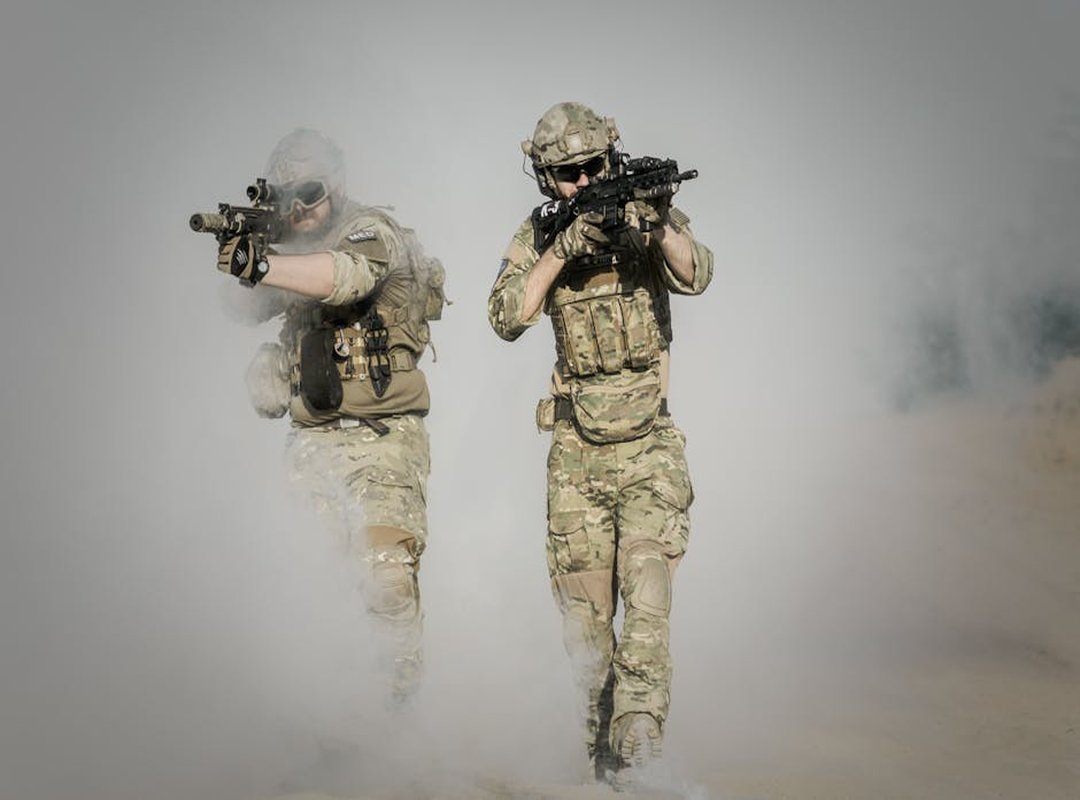
You need to outsmart, not just outshoot. It’s about sneaking behind enemy lines and catching them off-guard. Ever tried setting up cross-fires?
It’s exhilarating, pinning opponents down from multiple angles. Holding power positions can completely flip the odds in your favor. You lock down key areas and force the enemy into disadvantageous battles.
Map control isn’t just about planting flags. It’s about denying areas, gathering intel, and foiling enemy rotations. You want to be the one who knows the map like the back of your hand.
Think of it as your playground. If they’re on your turf, they’re already losing.
Trading kills is where the heartbeat of team play lies. If one of ours falls, we make sure to take one of theirs. It’s not about revenge.
It’s plan. We keep the numbers even and the pressure constant.
Understand the environment. Use cover wisely. Peek through lines of sight.
Exploit any destructible elements. These might sound basic, but they’re often the reason you win or lose.
Timing your pushes and holds is an art. It’s not always about rushing. Sometimes, pulling back and resetting for better positioning is the real power move.
For those wanting a deeper dive into these strategies, check out Mastering Multiplayer Combat Tactics. This is your multiplayer playbook teams need to dominate.
The Mental Game: Resilience, Adaptability, Discipline
In the world of gaming, it’s not just about how fast you can click or how well you know the map. It’s about what’s going on in your head. The mental game is key.
Why? Because without resilience and adaptability, you’re just another player waiting to be outplayed.
Ever felt the sting of a bad match and spiraled into a funk? That’s the dreaded “tilt.” It’s like a black hole for your focus. The trick is maintaining your composure.
Easier said than done, right? One plan is to focus on objective analysis. After a loss, don’t dwell on it emotionally.
Instead, ask: What went wrong? What can I learn from this?
Team trust is another pillar. And it’s fragile. You can’t build a strong team if everyone’s scared of being blamed.
Encourage feedback. Make it safe for players to take risks. It’s like a good heist movie.
Everyone’s got a role, and trust is non-negotiable.
Discipline is your anchor. Sticking to strategies when your gut screams otherwise? That’s discipline.
But adaptability is just as important. Situations change. Sometimes, you have to pivot.
It’s not just about making the right choice but knowing when to change course.
The multiplayer playbook teams know that true growth comes from balancing these mental aspects. It’s a mature mindset that separates the rookies from the pros. And in the end, isn’t that what we all want (to) play like the pros?
Raise Your Team Game
You’ve found the answers to your search for effective multiplayer playbook teams.
Now, let’s address the real issue: uncoordinated play leads to frustration and defeats.
By embracing defined roles and clear communication, you can turn those losses into consistent victories.
Focus on strategic planning, tactical execution, and mental resilience.
These aren’t just theories; they are proven methods.
I urge you to practice these principles, analyze your gameplay, and commit to improvement.
Your team can transform into a cohesive unit.
So what are you waiting for?
Start implementing these strategies and watch your team conquer every challenge ahead.