You’ve seen the term floating around.
Vrstgameplay.
What the hell is it?
I asked that same question six months ago.
Then I spent weeks digging through dev blogs, watching playtests, and talking to people who actually build this stuff.
Not marketing fluff.
Real hands-on time.
A lot of gamers are tired of hype cycles. They want to know: does this change how you play? Or is it just another buzzword wrapped in a headset?
You’re here because you’re curious. Maybe skeptical. Probably wondering if it’s worth your time (or) your money.
Good. You should be.
This isn’t a glossed-over explainer.
It’s a straight shot at what Vrstgameplay actually means, how it works right now (not five years from now), and why it matters today.
No jargon. No vague promises. Just clear answers.
By the end, you’ll know whether this is noise. Or something real.
And you’ll understand where gaming’s next shift is really landing.
What VRST Really Means
I call it VRST because that’s what people actually say when they talk about it.
Not “virtual reality storytelling.” Just VRST.
You’ve seen the term Vrstgameplay floating around. It’s not marketing jargon. It’s shorthand for something real: story-first VR.
VR is obvious (you) wear a headset and step into another world. ST is the part everyone forgets. Storytelling.
Not cutscenes. Not lore dumps. Real human stakes.
Choices that land. Silence that means something.
Most VR games still chase action or puzzles. That’s fine. But it’s not VRST.
VRST makes you breathe with a character. You don’t control them like a puppet. You’re there, listening, reacting, hesitating.
Think of standing in a ruined kitchen while someone tells you their child left yesterday. No health bar. No timer.
Just light, sound, and weight. That’s VRST.
It won’t replace shooters. But it will change how we remember stories. Because memory sticks to feeling (not) mechanics.
People ask: “Is this just cinema in VR?”
No. Cinema watches you. VRST watches back.
And that changes everything.
We’re past the demo phase. Now it’s about trust. Between creator and player.
Between story and body. Between what’s shown and what’s felt.
VRST isn’t coming.
It’s already here. Quiet, unbranded, and deeply personal.
Why VRST Feels Real
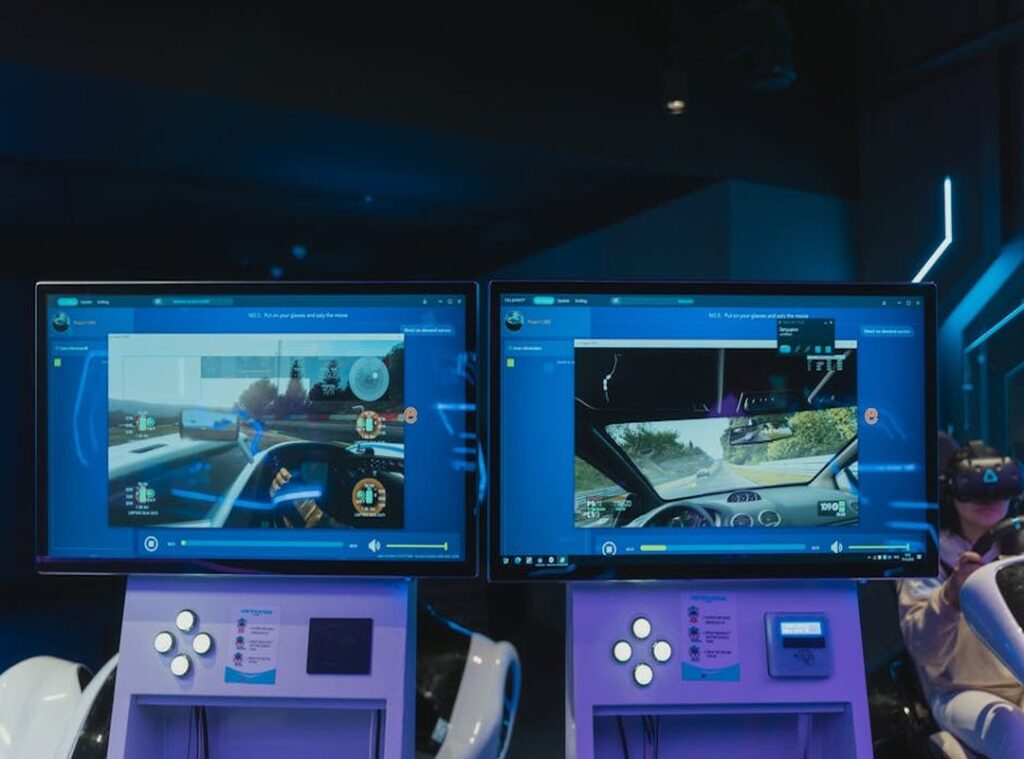
I put on the headset and forgot I was sitting on my couch.
Sound hits first. Footsteps echo differently on metal versus gravel. You hear breath catch when danger’s close.
(Not just music swelling. Actual breathing.)
Then the controller buzzes. Not a generic rumble, but a sharp jolt when you grab a live wire. Or a slow pulse when your character’s heart races.
That’s not just immersion. That’s presence.
You’re not watching a story. You’re inside it.
I played a scene where a character begged me not to leave. I paused. My hand hovered over the button.
The game waited. It didn’t rush me. (Most games would’ve cut to black by now.)
VRST stories don’t treat choices as branching menus. They treat them as consequences that stick. Lie once?
A friend stops trusting you. next week, not next cutscene.
I replayed a mission three times. Each time, the ending changed because of who I chose to save (not) which weapon I picked.
That’s what makes Vrstgameplay different. It doesn’t ask you to believe. It makes you feel.
You ever flinch at a sudden noise in a game? Yeah. Me too.
But in VRST, I ducked (and) hit my head on the bookshelf.
Presence isn’t a feature. It’s the baseline.
No tutorial tells you that. Your body figures it out first.
You Don’t Watch Stories Anymore. You Breathe Them.

I watched Jaws on TV last week. I jumped when the shark popped up. Then I tried a VRST demo where I was in the water.
My hands shook. My breath got short.
That’s not watching. That’s surviving.
Reading a book puts you next to the character. A movie puts you in front of them. VRST drops you inside their ribs.
You feel fear like cold sweat (not) just see it on a face. Joy hits like sunlight on skin. Sadness sits heavy in your chest.
Not in your head. In your body.
Ever argued with someone who just… didn’t get it? VRST doesn’t ask you to imagine their pain. It makes you live three minutes of their exhaustion, their hunger, their hope.
No filter. No pause button.
Imagine choosing whether to lie to save your sister (or) tell the truth and watch her get arrested. On a screen? You pick a dialogue option.
Click. Move on. In VRST?
You look at her eyes. You hear your own voice crack. You feel the weight of the lie before you say it.
This isn’t storytelling. It’s story-living. And Vrstgameplay rewires how your brain holds memory, emotion, and meaning.
(You’ll forget the plot. But you’ll remember how it felt to stand there.)
Mistakes I Made So I Could Stop Wasting Your Time
I puked my first time in VR. Not cute. Not dramatic.
Just gross. Motion sickness hit me like a truck because I ignored the settings and jumped into a fast-paced game.
You probably did too.
Cost? Yeah, I dropped $1,200 on gear before realizing half of it sat unused. Headsets got better fast.
But not before I bought the wrong one.
Storytelling in VRST still feels clunky. I watched players zone out during cutscenes. You can’t just port a script from a TV show and call it done.
Which Gaming Mouse Pad to Chooose Vrstgameplay? (Don’t laugh (I) used a coaster for three months.)
Haptics got real last year. Not buzz-buzz. Actual pressure.
A shove. A raindrop. I felt it.
AI isn’t magic. But it does adjust pacing when you stall. Or changes dialogue if you stare too long at a door.
That’s useful.
Education? Try dissecting a frog in VR instead of watching a video. Therapy?
I saw someone walk again—slowly (in) VR after a stroke. No hype. Just practice.
Live events? I watched a concert where fans waved light sticks that lit up in the headset. Felt weird.
Then felt real.
VRST won’t replace everything. It won’t even replace your couch yet.
But it’s already better than it was two years ago.
Try one thing this week. Just one.
Not all of it has to work. Some of it just has to breathe.
This Changes How You Play
I told you what Vrstgameplay is. No jargon. No fluff.
Just the real deal.
You wanted to understand cutting-edge gaming experiences. Not theory. Not hype.
You wanted to get it.
And now you do.
VRST isn’t just another screen in front of your face. It puts you inside the story. You move.
You choose. You feel the weight of the moment (not) as a watcher, but as someone who matters there.
That’s the pain point: staring at games that don’t pull you in.
Feeling like you’re always one step behind the action.
VRST fixes that.
So try it. Pick one title. Put on the headset.
See what happens when the story waits for you to speak, to turn, to act.
Then talk about it. Tell someone what shocked you. What stuck with you.
What made you pause and breathe.
And keep watching this space. Because VRST isn’t slowing down. It’s rewriting what “entertainment” even means.
You asked how VRST works.
You got the answer.
Now go play. Not later. Not after you read more.
Now.
Hit start. Step in. See for yourself.